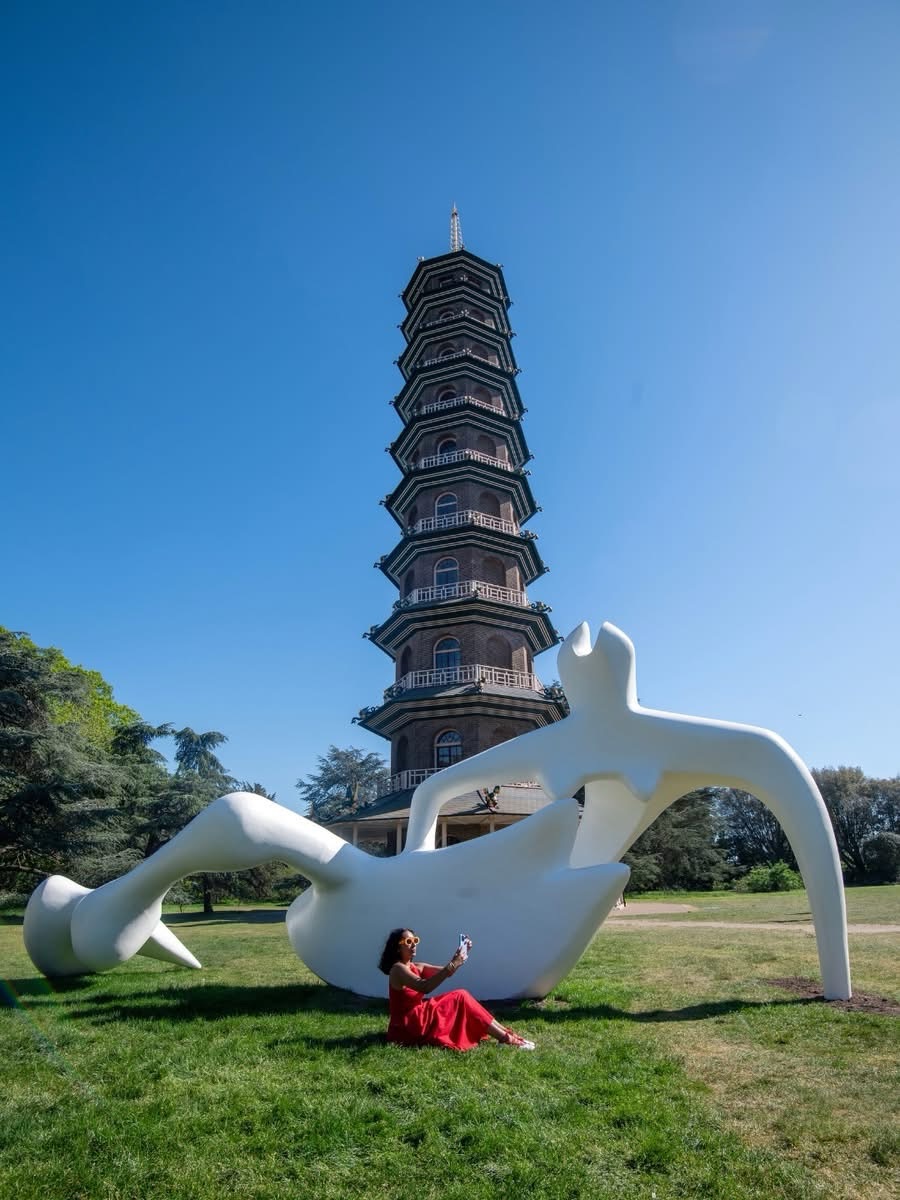

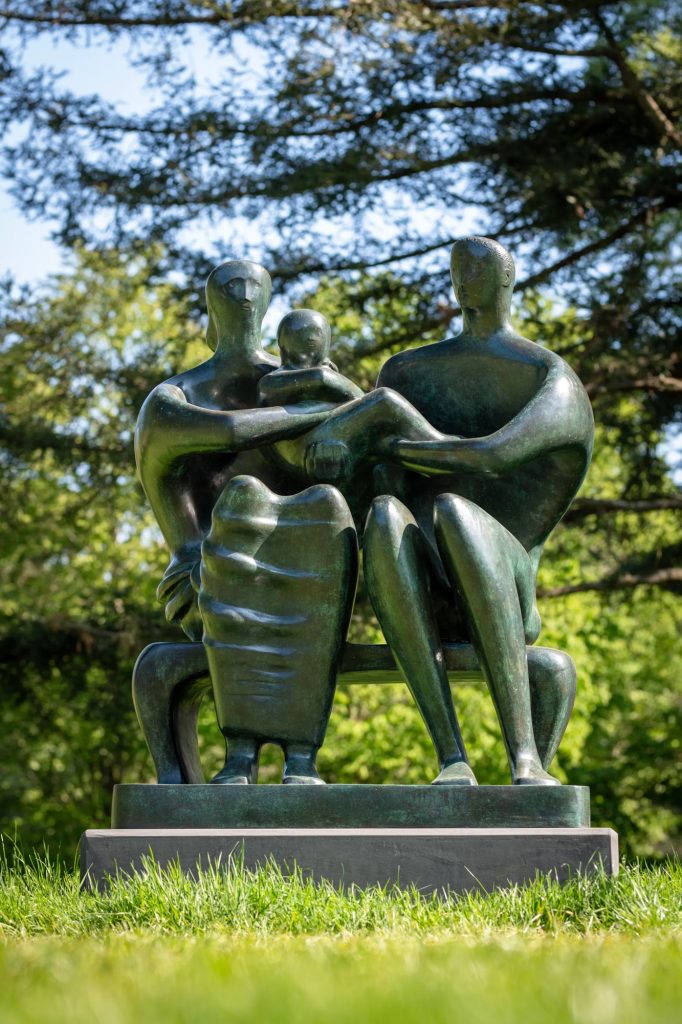
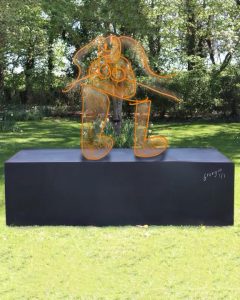
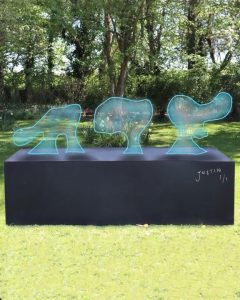
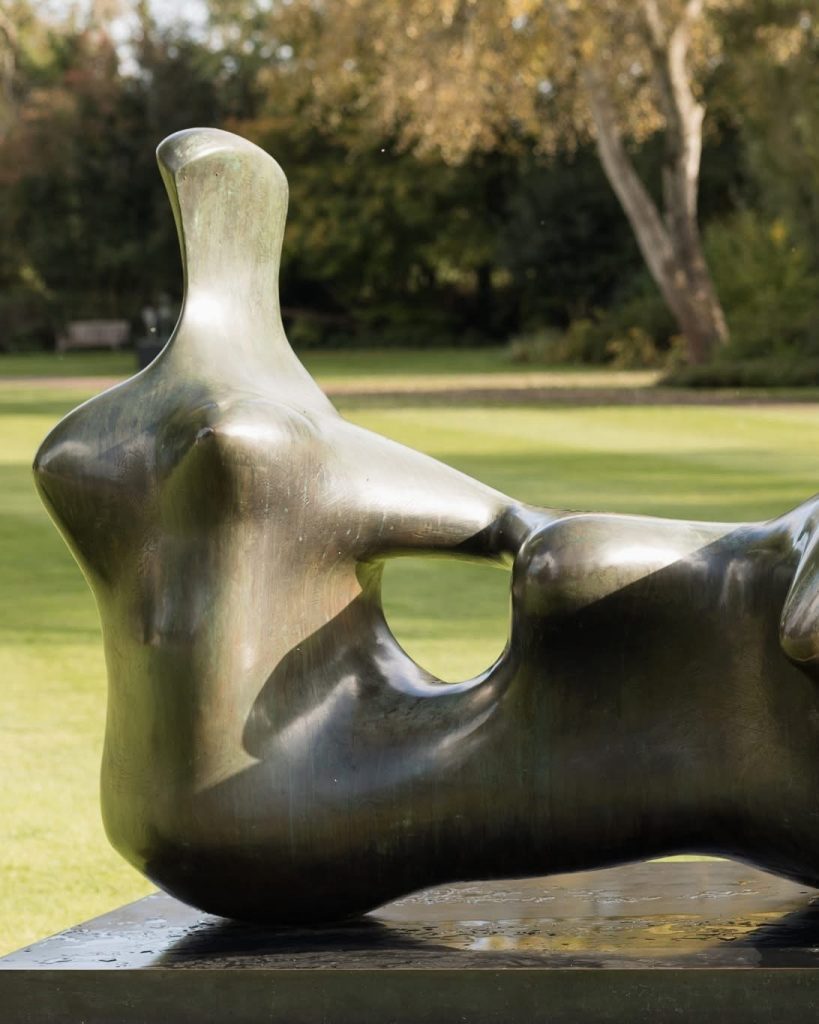
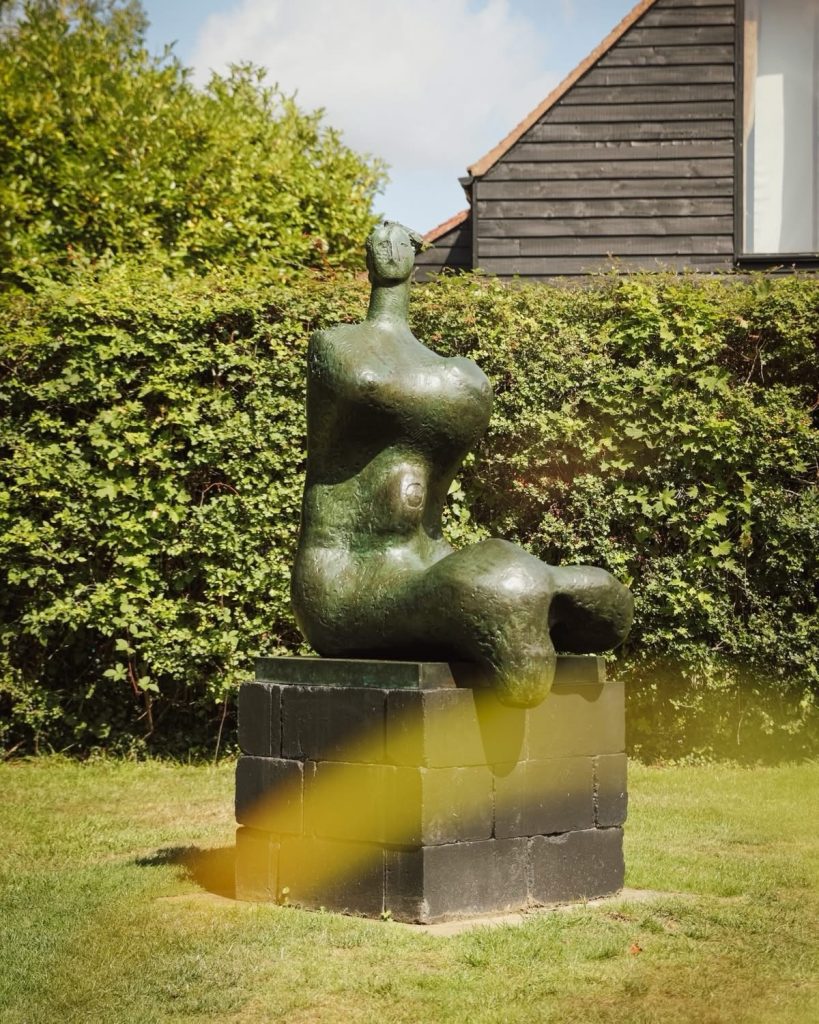
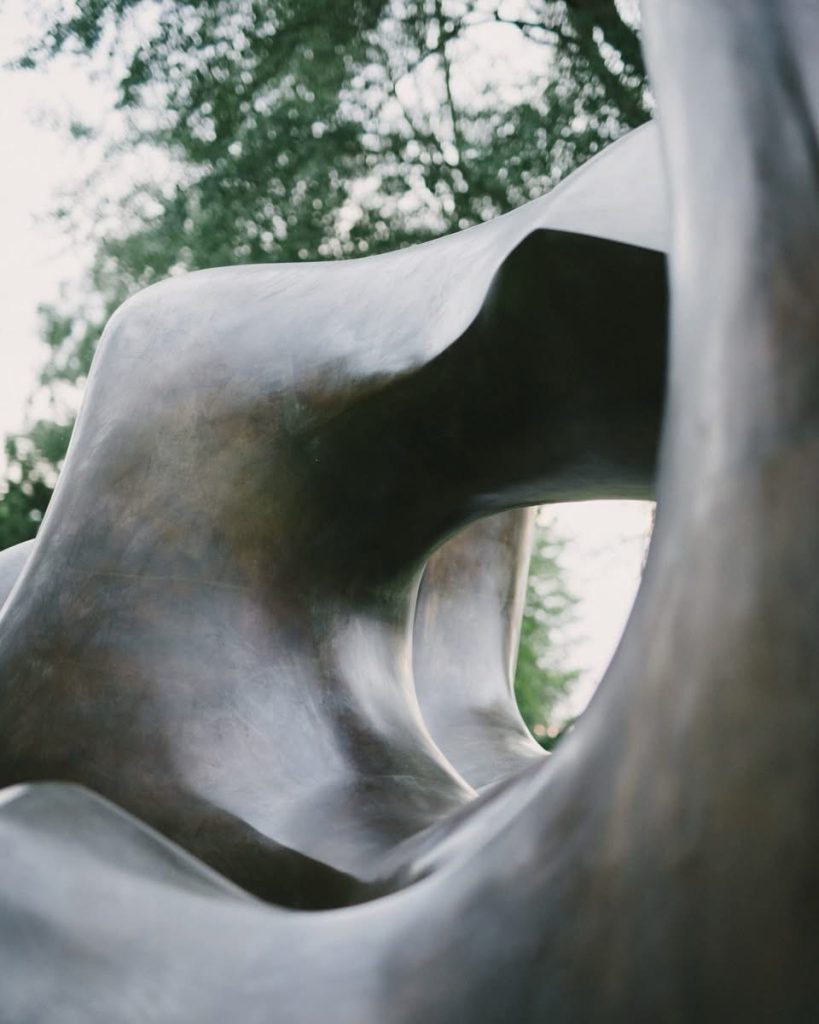
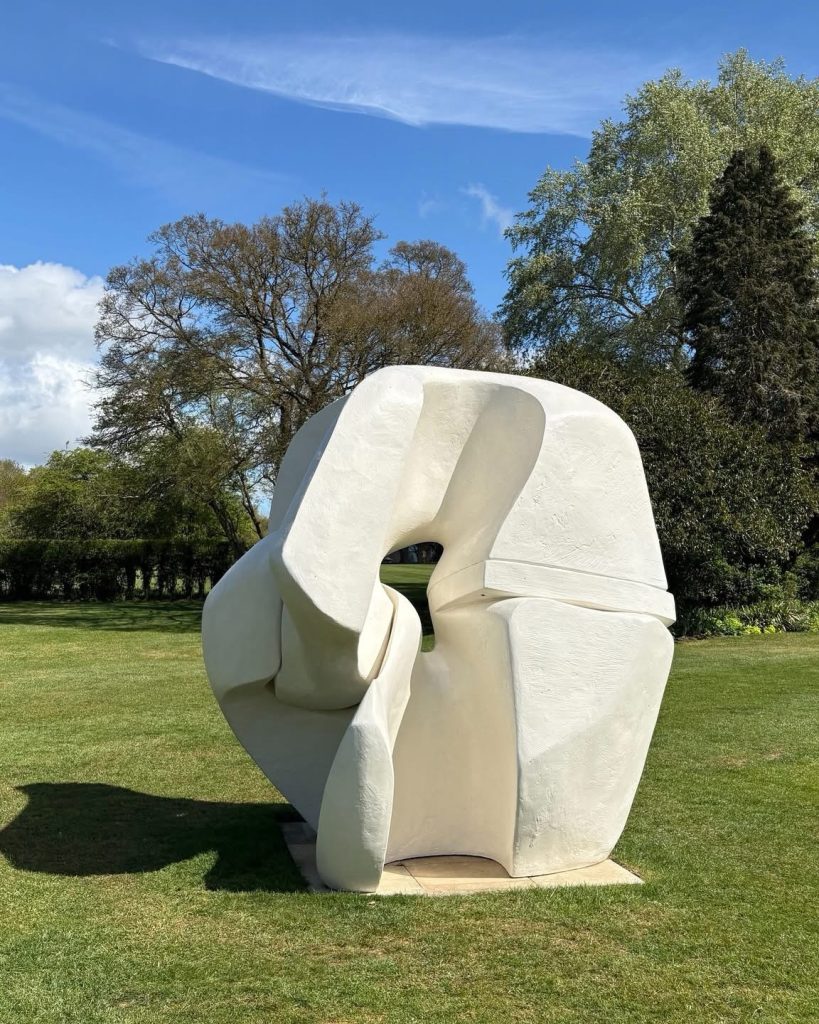
Kew Gardens has transformed into a vast open‑air museum with Monumental Nature, the most extensive outdoor exhibition ever dedicated to Henry Moore. Thirty monumental sculptures now inhabit the iconic London landscape, inviting visitors into an immersive encounter with one of Britain’s most influential sculptors.
A Landmark exhibition across two sites

Photos : London Kew Gardens/Henry Moore/Kbsp/DR
Spread across the sweeping lawns and botanical vistas of west London, the exhibition features 30 major works installed throughout Kew Gardens until 31 January 2027. Four additional sculptures will remain on view at Wakehurst, Kew’s 500‑acre wild botanic garden in Sussex, through May 2027.
Henry Moore, A Titan of Modern British Art
Widely regarded as one of the greatest British artists of the 20th century, Moore is celebrated for his semi‑abstract bronze sculptures, often conceived for public spaces. Connection with the natural world.

Photos : London Kew Gardens/Henry Moore/Kbsp/DR
Nature as muse: organic forms and living landscapes
Sebastiano Barassi, Head of Collections and Programmes at the Henry Moore Foundation, highlights the sculptor’s profound affinity with nature. Throughout his career, Moore drew inspiration from bones, stones, trees, and the rhythms of the landscape, believing that sculpture should exist in harmony with its surroundings. Kew and Wakehurst, with their rich ecological diversity, offer an ideal setting to illuminate this relationship.
Beyond sculpture : drawings, prints, and creative process
Alongside the monumental bronzes, Monumental Nature also presents a selection of drawings and prints, shedding light on Moore’s creative process and the evolution of his sculptural language. Interest in Moore’s work remains strong: in March, his celebrated piece King and Queen sold for £26 million, underscoring the lasting resonance of his artistic legacy.
Photos : London Kew Gardens/Henry Moore/Kbsp/DR